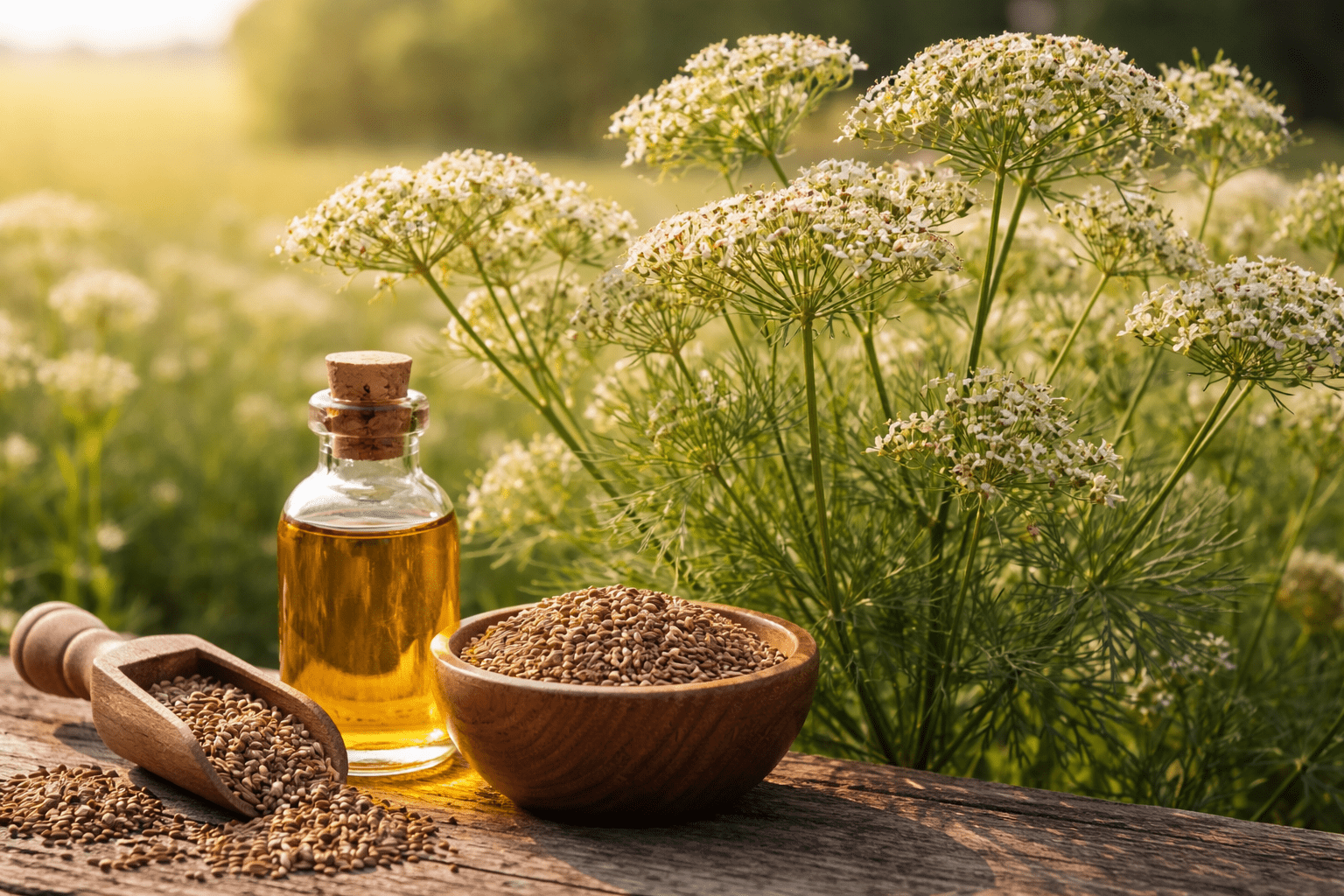
Cumin Seed Oil

Cuminum cyminum

Product History

Cumin essential oil is derived from the seeds of Cuminum cyminum, a plant that has been cultivated for thousands of years across regions like the Middle East, India, and the Mediterranean. Its history dates back to ancient civilizations such as Egypt, where cumin seeds were not only used as a spice but also in embalming practices, indicating their preservative and aromatic value. The Greeks and Romans valued cumin for both culinary and medicinal purposes, often using it to aid digestion and enhance flavor in food.

As trade routes expanded, cumin spread to Asia and Europe, becoming especially significant in Indian and Middle Eastern cuisines. The extraction of cumin essential oil through steam distillation developed much later, gaining prominence with the advancement of essential oil production techniques in the 19th and 20th centuries. Since then, cumin essential oil has been widely used in traditional medicine systems like Ayurveda for its therapeutic properties, including digestive support and antimicrobial effects.

Distillation Process

  • Harvesting and Chopping Preparation
    Mature cumin seeds are harvested once the plant turns brown and dry. The seeds are then cleaned to remove dust and impurities. After cleaning, they are slightly crushed or ground to increase the surface area, which helps in better oil extraction during distillation.
  • Steam Generation and Distillation
    The prepared cumin seeds are placed in a distillation chamber. Steam is generated in a separate boiler and passed through the plant material. The heat from the steam causes the essential oil glands in the seeds to release aromatic compounds, which evaporate along with the steam.
  • Condensation Oil Separation
    The steam carrying the essential oil vapors passes into a condenser, where it cools down and turns back into liquid form. This liquid mixture of water and oil then enters a separator. Since essential oil and water do not mix, the cumin oil naturally separates and floats (or sometimes sinks depending on density) for easy collection.
  • Filtration & Storage
    The extracted cumin essential oil is filtered to remove any remaining impurities or moisture. It is then stored in dark glass bottles or stainless steel containers to protect it from light, heat, and air, ensuring longer shelf life and maintaining its quality.

Specifications

Parameter
Specification
Botanical Name
Cuminum cyminum
Origin / Source
INDIA
Extraction Method
Steam Distillation
Plant Part Used
Dried Seeds
Oil Colour
Pale Yellow to Brownish Yellow
Aroma Profile
Warm, Spicy, Earthy, Slightly Musky, Peppery
Consistency
Thin to Medium
Shelf Life
3 Years
Blends Well With
Angelica, Carrot Seed, Coriander, Fennel, Frankincense, Turmeric

Safety & Precautions: PHOTOTOXIC — avoid sun exposure after topical application. Dilute to 0.4% max for skin

Available Pack Sizes: 1kg, 5kg,10kg,25kg Aluminium Bottle

Powerful Uses of Cumin Seed Oil

Digestive Support & Bloating Relief

Cumin seed oil helps stimulate digestion and reduce bloating. It supports a healthy digestive system and relieves discomfort after meals.

Antibacterial & Infection Protection

Its strong antibacterial properties help fight harmful microbes. It supports protection against minor infections and promotes overall hygiene.

Skin Purification & Acne Control

Cumin seed oil helps cleanse the skin and reduce acne-causing bacteria. It supports a clearer, healthier-looking complexion.

Immunity Boosting Support

Rich in antioxidants, it helps strengthen the immune system. It supports the body’s natural defense against infections and seasonal issues.

Respiratory Relief & Congestion Support

Its warming and soothing properties help ease congestion. It supports clearer breathing when used in steam or aromatherapy.

Detox & Body Cleansing Support

Cumin seed oil helps stimulate detoxification processes in the body. It supports overall cleansing and internal balance.

© Moreways Co., Ltd. All Rights Reserved