Eucalyptus globulus
Eucalyptus essential oil has a long history rooted in the traditional practices of Indigenous Australians, who used the leaves of the eucalyptus tree for healing wounds, relieving respiratory issues, and as a natural antiseptic. The oil itself began gaining global recognition in the 18th and 19th centuries when European explorers, including those associated with James Cook, encountered eucalyptus in Australia and introduced it to other parts of the world. By the mid-1800s, eucalyptus oil was being commercially distilled, particularly in Australia, and was widely used in medicine for its antibacterial, decongestant, and anti-inflammatory properties. During this period, it became known as “fever tree oil” due to its use in treating malaria symptoms.
In the late 19th and early 20th centuries, eucalyptus oil production expanded to countries such as India, South Africa, and Portugal, driven by growing demand in pharmaceuticals, perfumery, and industrial applications. Advances in steam distillation improved oil quality and consistency, making it a key ingredient in cough syrups, liniments, and disinfectants. Today, eucalyptus essential oil remains widely used across industries including healthcare, aromatherapy, cosmetics, and cleaning products, valued for its refreshing aroma and therapeutic benefits.
|
Parameter
|
Specification
|
|---|---|
|
Botanical Name
|
Eucalyptus globulus
|
|
Origin / Source
|
INDIA
|
|
Extraction Method
|
Steam Distillation
|
|
Plant Part Used
|
Leaves & Twigs
|
|
Oil Colour
|
Clear to Pale Yellow
|
|
Aroma Profile
|
Camphorous, Cool, Fresh, Medicinal, Woody
|
|
Consistency
|
Thin, Watery
|
|
Shelf Life
|
3 Years
|
|
Blends Well With
|
Cedarwood, Lavender, Lemon, Peppermint, Rosemary, Tea Tree
|
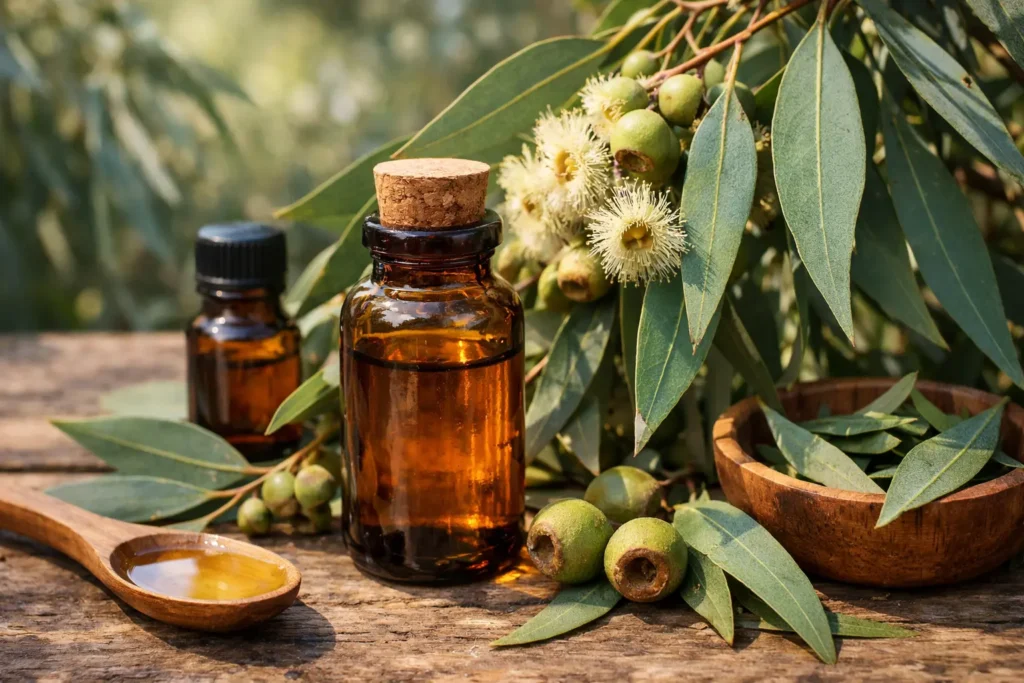
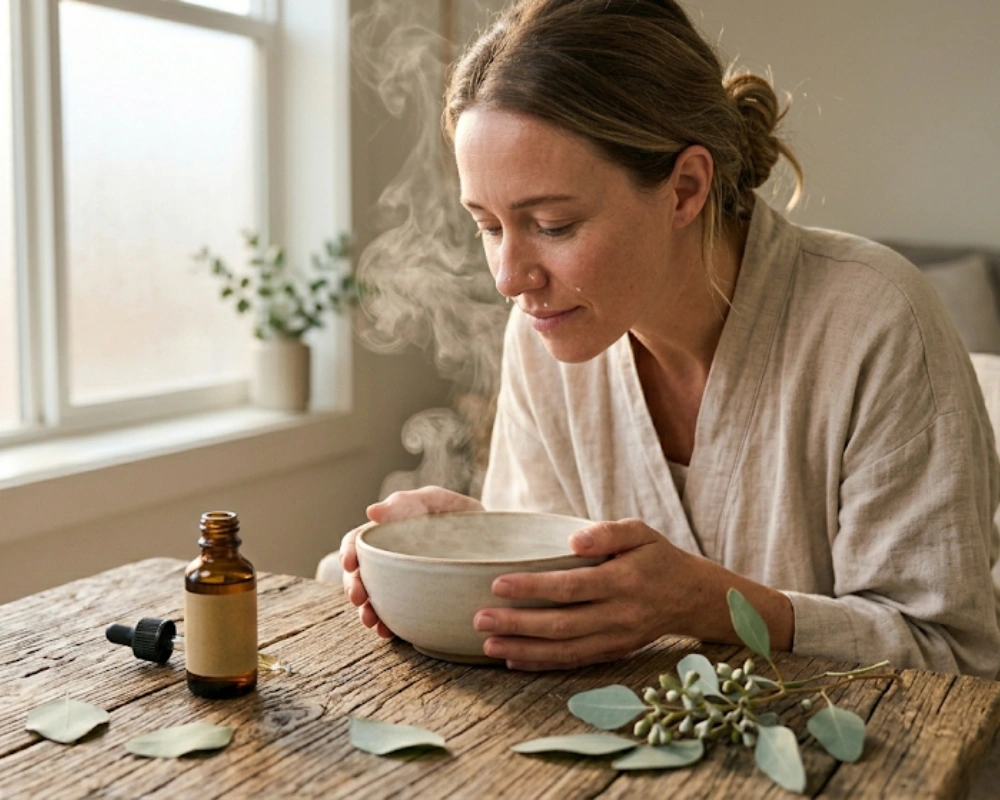
Safety & Precautions: Always dilute. Do not use on children under 6 near face. Not for internal use
Available Pack Sizes: 1kg, 5kg,10kg,25kg Aluminium Bottle


© Moreways Co., Ltd. All Rights Reserved | Designed by Klyx Digital