
Lavandula angustifolia
Lavender essential oil has a long and rich history that dates back over 2,500 years. It was first used by ancient civilizations such as the Egyptians, who incorporated it into perfumes, cosmetics, and mummification processes. The Romans later popularized lavender across Europe, using it in baths, cooking, and for its antiseptic properties—its name is derived from the Latin word “lavare,” meaning “to wash.” During the Middle Ages, lavender was valued for its ability to repel insects and purify the air, often being used in homes and sickrooms during times of plague. In the Renaissance period, it became a key ingredient in herbal medicine and early aromatherapy practices. By the 19th and 20th centuries, lavender essential oil gained recognition in modern perfumery and therapeutic use, especially after French chemist René-Maurice Gattefossé discovered its healing properties for burns. Today, lavender essential oil is widely used worldwide in aromatherapy, skincare, and wellness products due to its calming fragrance and versatile benefits.
Steam Generation and Distillation
Steam is passed through the plant material, causing the essential oil glands to rupture and release aromatic compounds, which evaporate along with the steam.
Condensation & Oil Separation
The steam and oil vapor are cooled in a condenser, turning into liquid. Since oil and water do not mix, the essential oil separates and floats on top (or sometimes sinks, depending on density).
Filtration & Storage
The extracted oil is filtered to remove impurities and then stored in dark, airtight containers to preserve its quality and prevent degradation.
|
Parameter
|
Specification
|
|---|---|
|
Botanical Name
|
Lavandula angustifolia
|
|
Origin / Source
|
INDIA
|
|
Extraction Method
|
Steam Distillation
|
|
Plant Part Used
|
Fresh Flowering Tops
|
|
Oil Colour
|
Clear to Pale Yellow
|
|
Aroma Profile
|
Floral, Fresh, Sweet, Clean, Herbaceous
|
|
Consistency
|
Thin, Watery
|
|
Shelf Life
|
3 Years
|
|
Blends Well With
|
Almost all essential oils — universally compatible
|
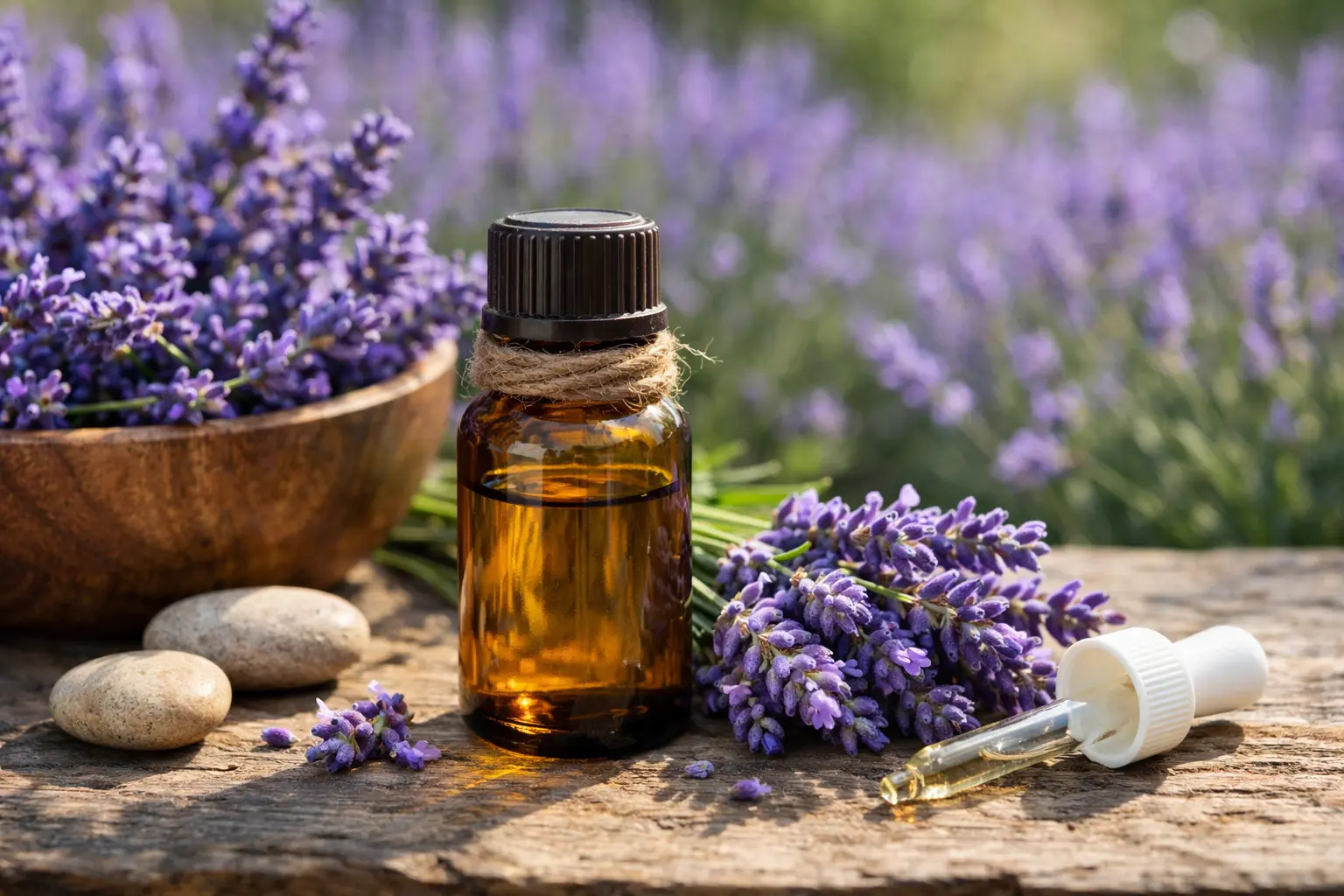
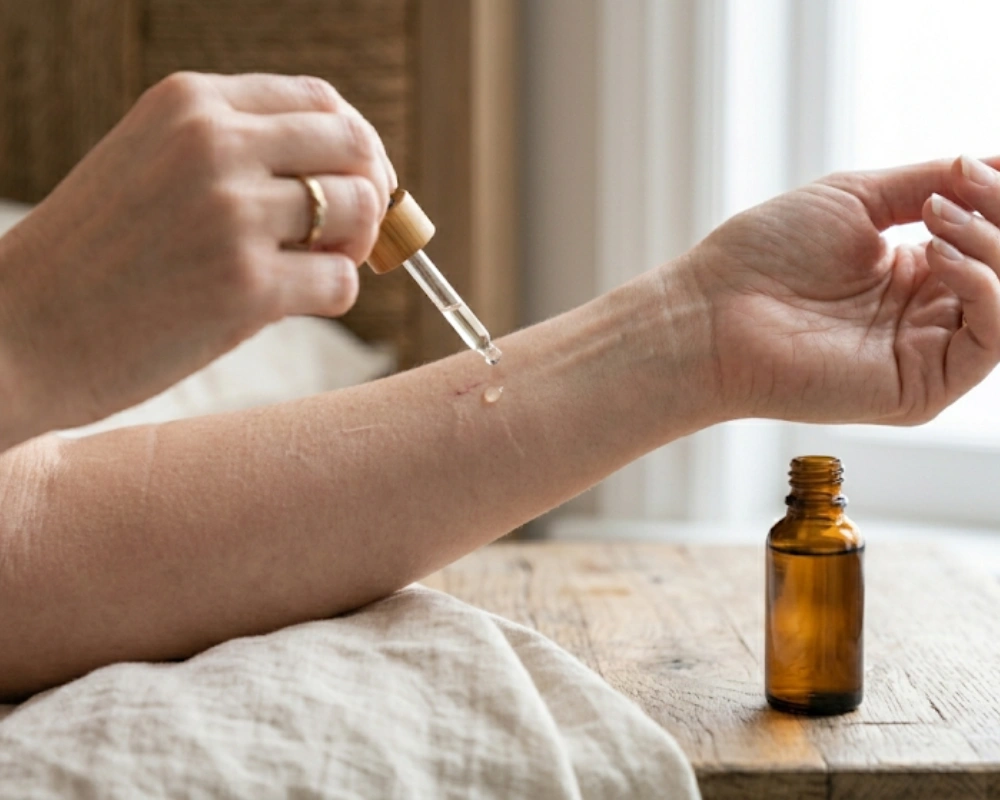
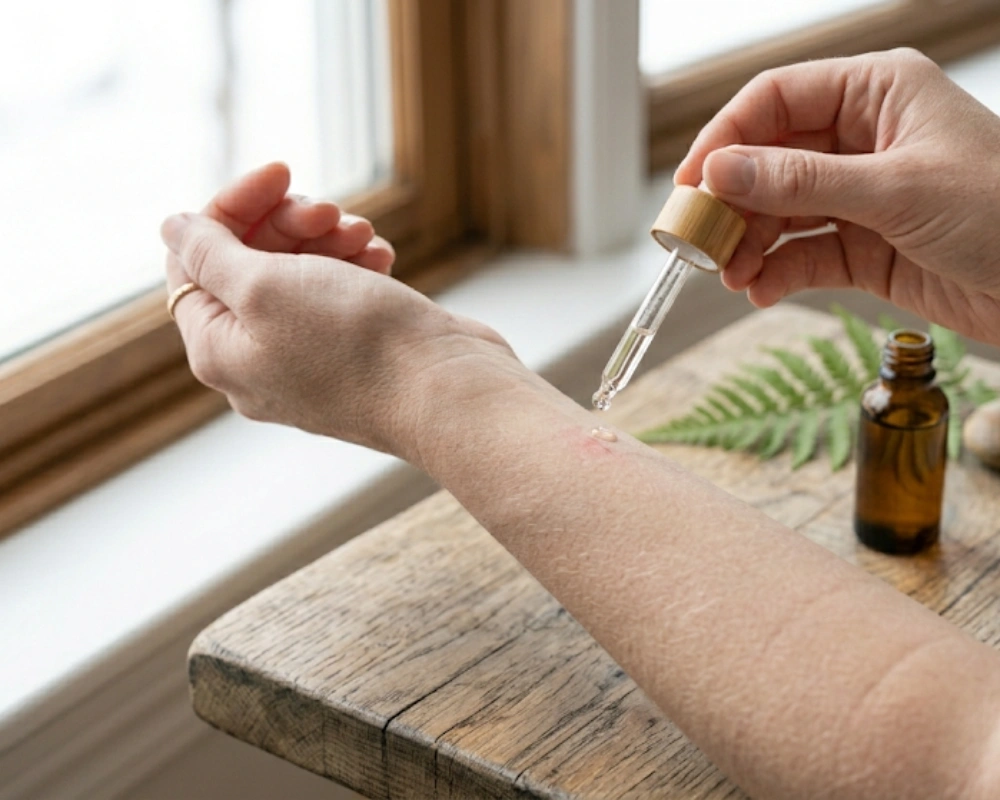
Safety & Precautions: Generally considered safe. Dilute for topical use. Avoid undiluted on sensitive skin.
Available Pack Sizes: 1kg, 5kg,10kg,25kg Aluminium Bottle

© Moreways Co., Ltd. All Rights Reserved | Designed by Klyx Digital