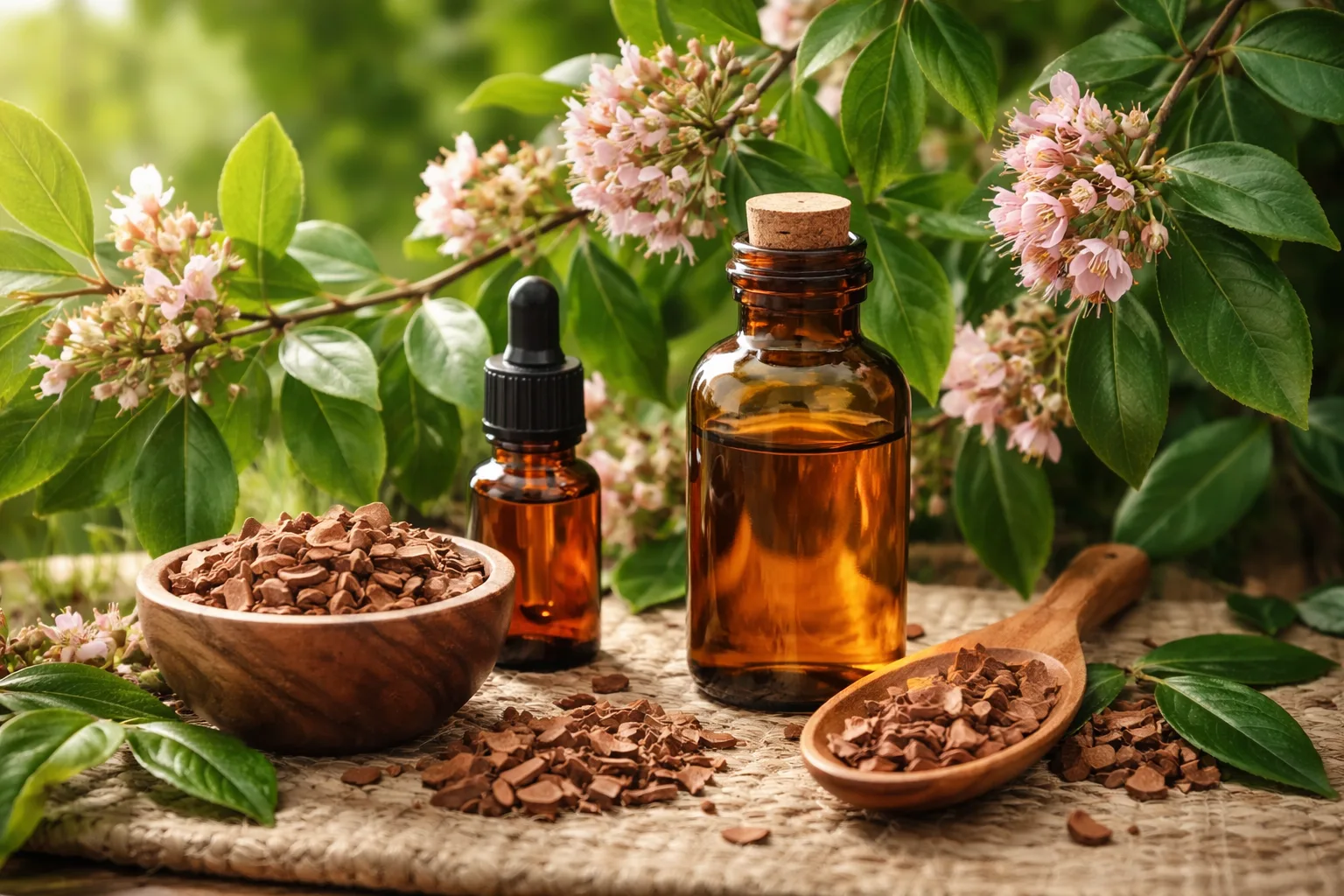
Rosemary Essential Oil

Rosmarinus officinalis (Salvia rosmarinus)

Product History

Rosemary essential oil is derived from the aromatic herb rosemary (Rosmarinus officinalis), a plant native to the Mediterranean region that has been valued since ancient times for its medicinal, culinary, and spiritual significance. Its use dates back to early civilizations such as the Egyptians, Greeks, and Romans, who regarded rosemary as a symbol of remembrance, protection, and purification. Ancient Egyptians used rosemary in burial rituals and incense, while Greek scholars are believed to have worn rosemary garlands to enhance memory and concentration.

During the Roman era, rosemary was widely used in religious ceremonies, cooking, and natural healing practices. In the Middle Ages, it became a staple in European herbal medicine, often used to ward off illness and purify the air during times of plague. Rosemary was also infused into balms and oils for treating muscle pain, improving circulation, and promoting hair growth.

Distillation Process

  • Harvesting and Chopping Preparation
    Fresh rosemary (Rosmarinus officinalis) leaves and flowering tops are harvested, usually during the flowering stage when oil content is highest. The plant material is then cleaned and roughly chopped to increase surface area, which helps release more essential oil during distillation.
  • Steam Generation and Distillation
    Steam is produced in a boiler and passed through the chopped rosemary material inside a distillation chamber. The heat causes the essential oil glands in the plant to rupture, allowing the aromatic compounds to vaporize along with the steam.
  • Condensation & Oil Separation
    The steam carrying the essential oil vapors moves into a condenser, where it cools and turns back into liquid. This liquid mixture of water and oil flows into a separator (Florentine flask), where the essential oil naturally separates from the water due to differences in density.
  • Filtration & Storage
    The extracted rosemary essential oil is filtered to remove any impurities or plant residues. It is then stored in dark, airtight glass bottles (usually amber or cobalt blue) to protect it from light and oxidation, preserving its quality and therapeutic properties.

Specifications

Parameter
Specification
Botanical Name
Rosmarinus officinalis (Salvia rosmarinus)
Origin / Source
INDIA
Extraction Method
Steam Distillation
Plant Part Used
Flowering Tops & Leaves
Oil Colour
Clear to Pale Yellow
Aroma Profile
Fresh, Herbaceous, Camphorous, Woody, Medicinal
Consistency
Thin, Watery
Shelf Life
3 Years
Blends Well With
Basil, Bergamot, Cedarwood, Eucalyptus, Lavender, Peppermint, Tea Tree

Safety & Precautions: Avoid in epilepsy, pregnancy & high blood pressure (camphor chemotype). Dilute before use.

Available Pack Sizes: 1kg, 5kg,10kg,25kg Aluminium Bottle

Powerful Uses of Rosemary Essential Oil

Hair Growth & Scalp Stimulation

Rosemary oil helps improve blood circulation in the scalp and strengthen hair roots. It supports healthy hair growth and reduces hair fall.

Memory Boost & Mental Clarity

Its stimulating aroma helps enhance focus, memory, and concentration. Ideal for study, work, and reducing mental fatigue.

Muscle Pain & Relaxation

Rosemary oil helps relieve muscle stiffness and joint discomfort. Commonly used in massage for relaxation and recovery.

Skin Care & Oil Balance

It helps control excess oil and keeps skin fresh and clean. Supports a clear and balanced complexion.

Respiratory Support & Refreshing Effect

Rosemary oil helps ease breathing and reduce congestion. Provides a refreshing and revitalizing sensation.

Circulation Boost & Body Revitalization

It helps improve blood circulation and energize the body. Supports overall vitality and reduces fatigue.

© Moreways Co., Ltd. All Rights Reserved