Sandalwood Essential Oil

Santalum album (Indian Sandalwood)

Product History

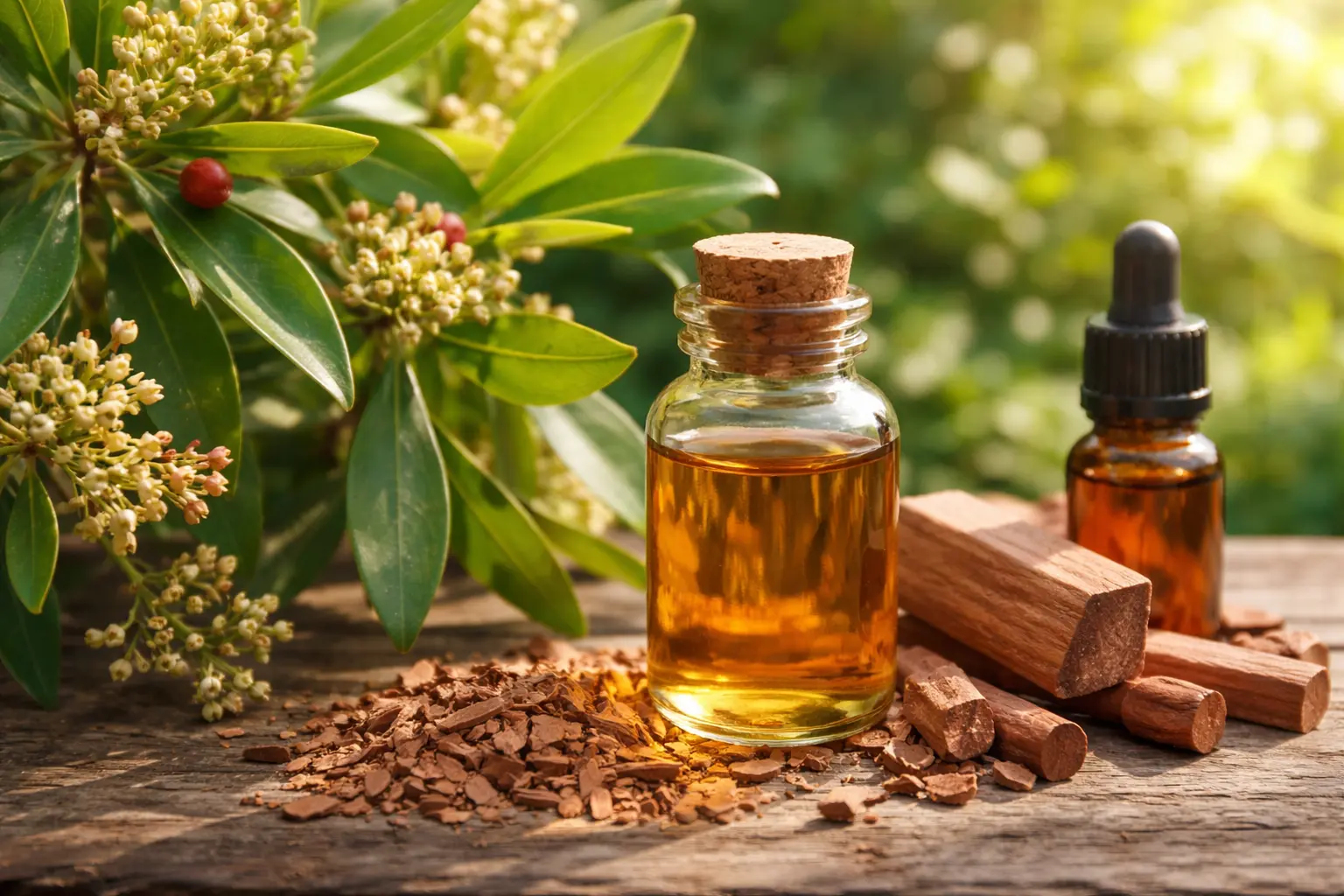
Sandalwood essential oil has a long and deeply rooted history that dates back thousands of years, particularly in ancient India where it was considered sacred and highly valuable. Extracted primarily from the heartwood of the sandalwood tree, especially Santalum album, the oil has been widely used in religious rituals, traditional medicine, and perfumery. In Ayurveda, it was prized for its calming, cooling, and therapeutic properties, often applied to the skin and used in meditation practices to promote mental clarity and spiritual awareness. Sandalwood was also an important trade commodity, reaching regions like China, the Middle East, and Egypt, where it was used in incense, embalming, and cosmetics. Over time, its rich, woody fragrance made it a key ingredient in high-end perfumes and skincare products across the world. Despite challenges such as overharvesting and sustainability concerns, sandalwood essential oil continues to be valued globally for its cultural significance, soothing aroma, and versatile applications.

Distillation Process

  • Harvesting and Chopping Preparation
    Mature sandalwood trees (usually 15–30 years old) are carefully harvested, as the heartwood contains the highest oil concentration. The bark is removed, and the dense inner wood is cut into small chips or powdered to increase the surface area for efficient oil extraction.
  • Steam Generation and Distillation
    The prepared sandalwood chips are placed in a distillation chamber. Steam is passed through the plant material, breaking down the oil glands and allowing the essential oil to evaporate along with the steam. This process can take several hours due to the dense nature of sandalwood.
  • Condensation & Oil Separation
    The steam carrying the sandalwood oil vapors is cooled in a condenser, turning it back into liquid. The resulting mixture of water and oil flows into a separator, where the essential oil naturally separates from the water due to differences in density.
  • Filtration & Storage
    The extracted sandalwood oil is filtered to remove any impurities. It is then stored in airtight containers, typically in dark glass bottles or stainless steel vessels, to preserve its aroma, quality, and therapeutic properties over time.

Specifications

Parameter
Specification
Botanical Name
Santalum album (Indian Sandalwood)
Origin / Source
INDIA
Extraction Method
Steam Distillation / Hydro-Distillation
Plant Part Used
Heartwood & Roots
Oil Colour
Pale Yellow to Yellow
Aroma Profile
Creamy, Soft, Warm, Woody, Sweet, Exotic, Milky
Consistency
Medium — Slightly Viscous
Shelf Life
3
Blends Well With
Bergamot, Cedarwood, Frankincense, Jasmine, Lavender, Rose, Vetiver, Ylang Ylang

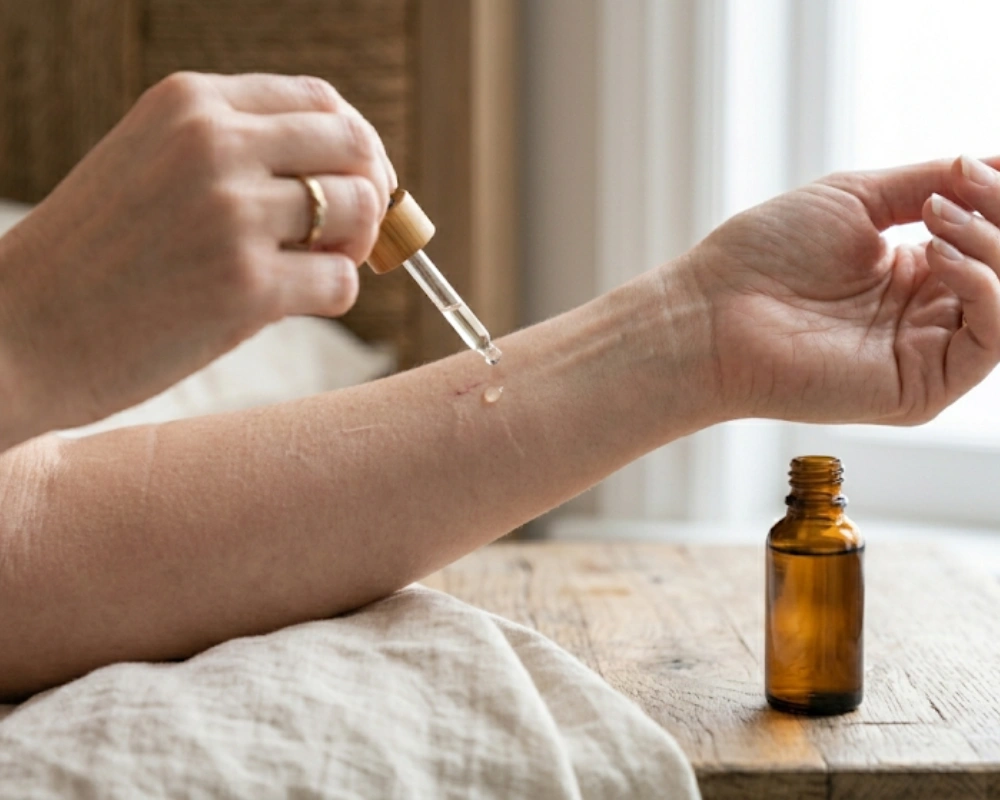
Safety & Precautions: Well-tolerated by most skin types. Dilute for direct skin use. Ethically sourced — verify origin

Available Pack Sizes: 1kg, 5kg,10kg,25kg Aluminium Bottle
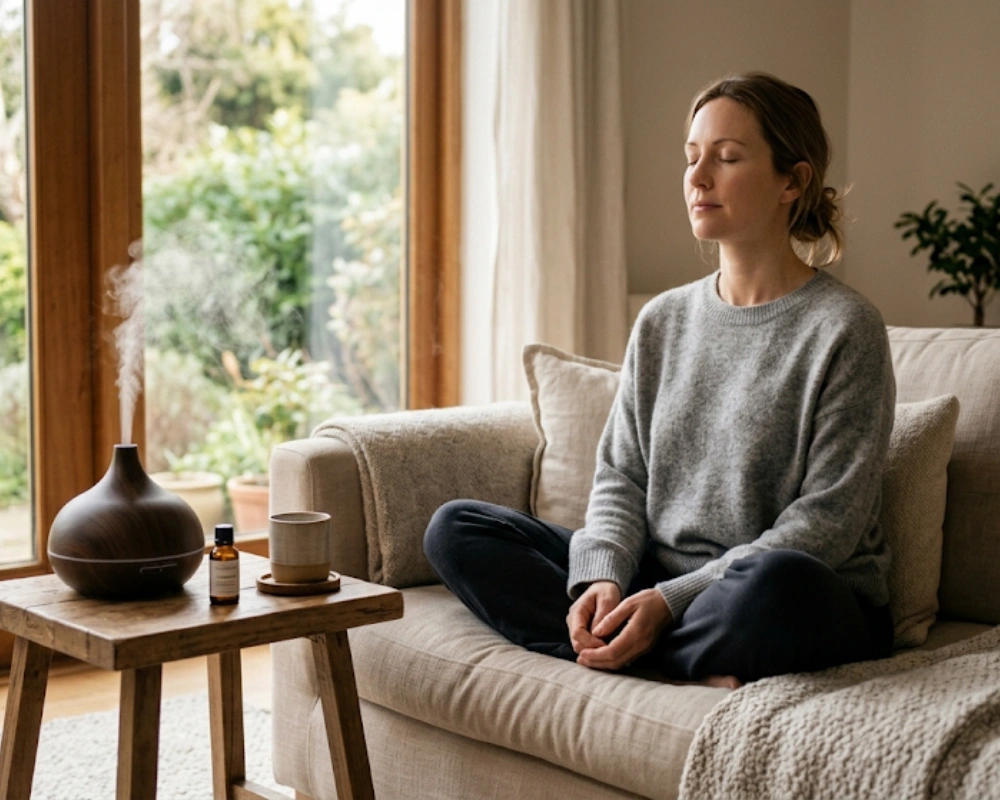
Powerful Uses of Sandalwood Essential Oil

Deep Relaxation & Stress Relief

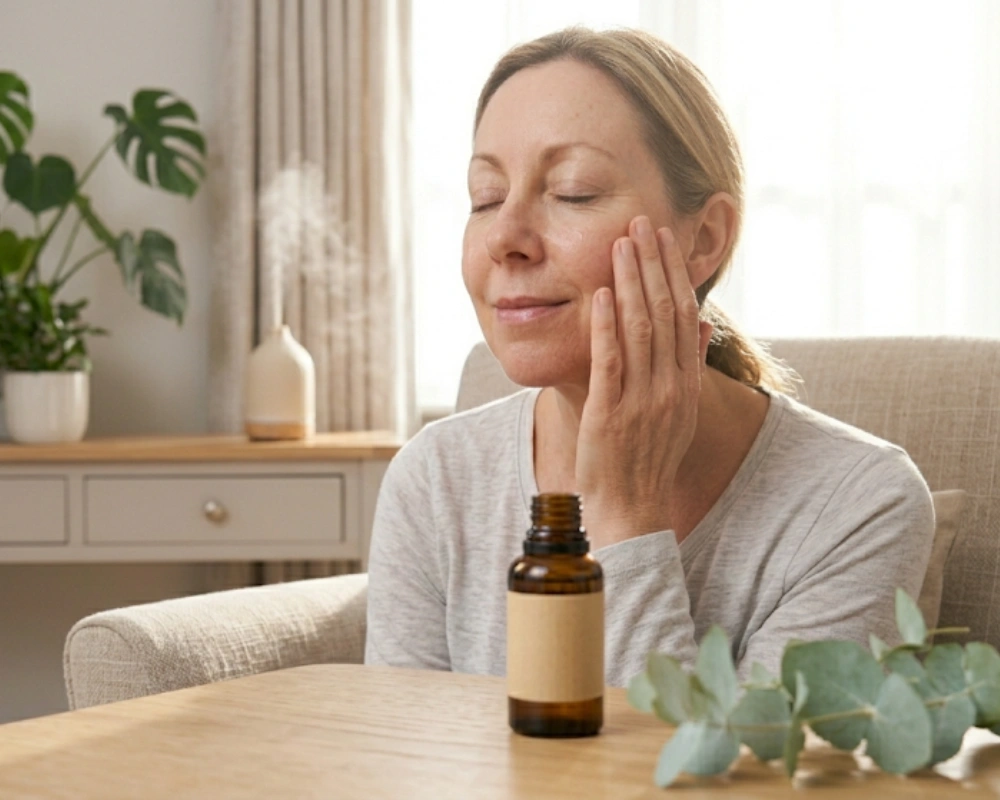
Sandalwood oil helps calm the mind and reduce anxiety. Its soothing aroma creates a peaceful and grounding atmosphere.

Skin Care & Glow Enhancement

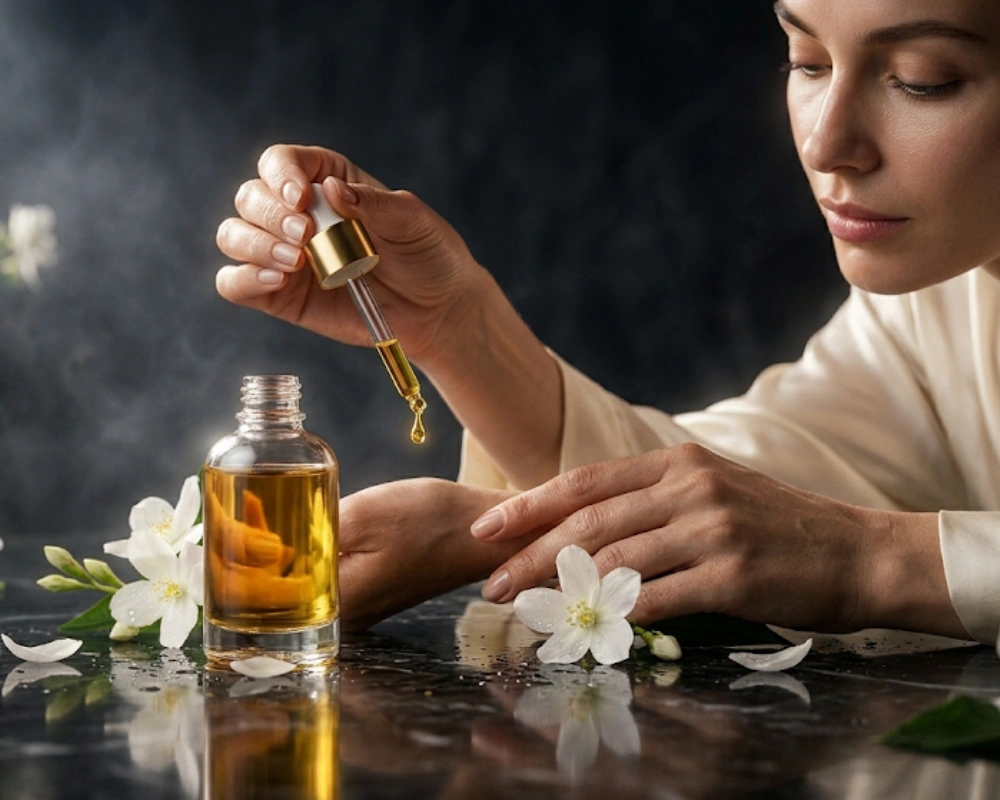
It helps improve skin texture and maintain hydration. Promotes a soft, smooth, and naturally radiant complexion.

Anti-Aging & Skin Nourishment

Its properties help reduce fine lines and signs of aging. Keeps the skin firm, healthy, and well-nourished.

Meditation & Mental Clarity

Sandalwood oil enhances focus and supports meditation practices. It creates a calm, centered, and mindful environment.

Natural Fragrance & Body Care

Its long-lasting woody scent works as a natural perfume. Ideal for daily body care and personal grooming.

Skin Soothing & Irritation Relief

It helps calm dry, irritated, or sensitive skin. Supports overall skin comfort and balance.

© Moreways Co., Ltd. All Rights Reserved