Tea Tree Essential Oil

Cedrus deodara / Juniperus virginiana

Product History

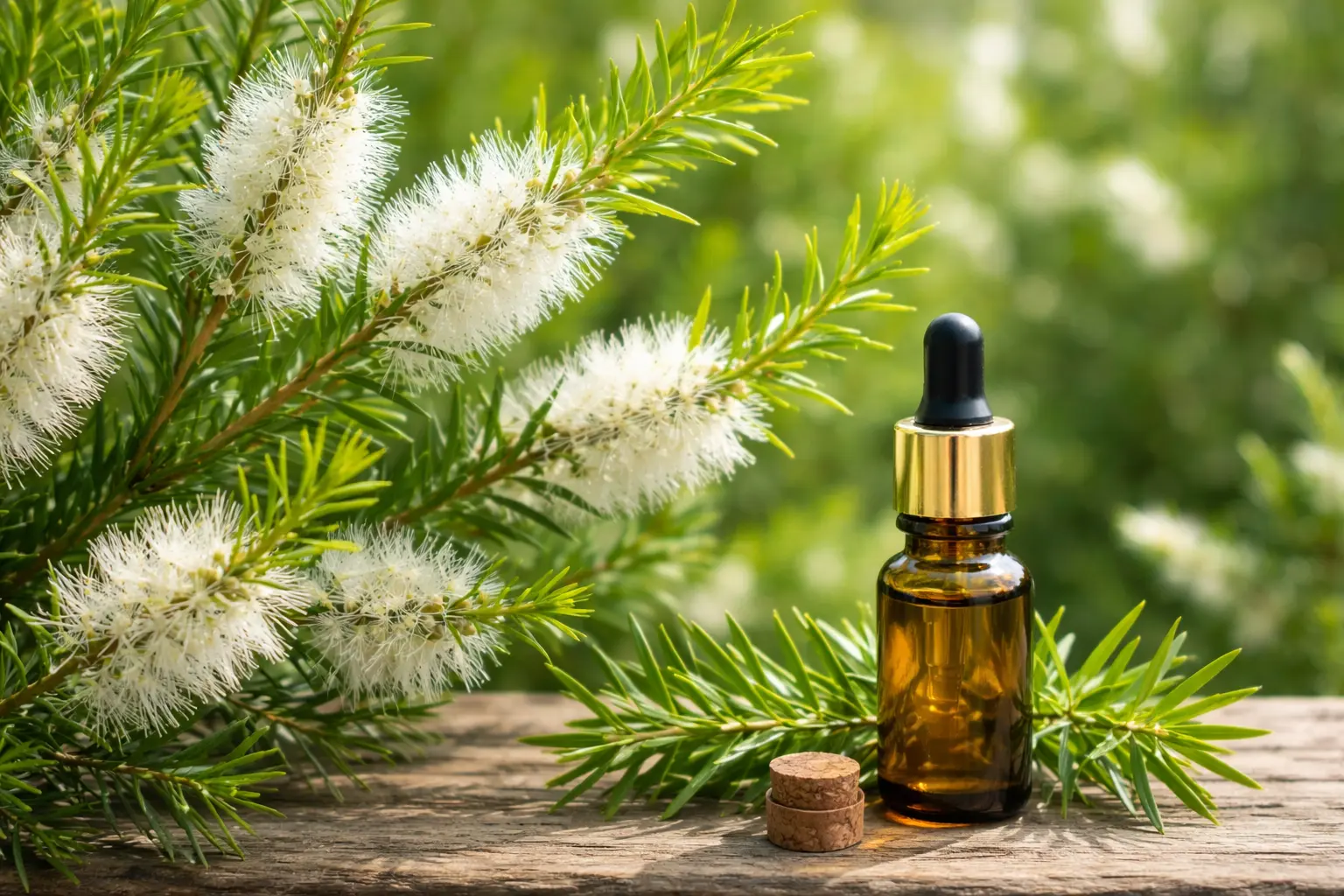
Tea Tree essential oil originates from the leaves of Melaleuca alternifolia, a plant native to Australia. Its history dates back centuries to the Aboriginal people of Australia, who used crushed tea tree leaves for their natural antiseptic and healing properties, applying them to wounds, burns, and infections. The name “tea tree” was given by British explorer Captain James Cook in the 18th century, as his crew used the leaves to make a herbal tea. However, the commercial development of tea tree essential oil began in the early 20th century when Australian chemist Arthur Penfold studied its powerful antibacterial properties and found it to be significantly more effective than many antiseptics available at the time. During World War II, tea tree oil was included in soldiers’ first aid kits for treating wounds and infections. Although its popularity declined with the introduction of modern antibiotics, it regained global recognition in the late 20th century as interest in natural and alternative remedies grew. Today, tea tree essential oil is widely used in skincare, pharmaceuticals, and personal care products for its antimicrobial, antifungal, and anti-inflammatory benefits.

Distillation Process

  • Harvesting and Chopping Preparation
    Fresh leaves and small branches of Melaleuca alternifolia are harvested, usually during warmer seasons when oil content is highest. The plant material is then chopped into smaller pieces to increase surface area, ensuring better oil extraction during distillation.
  • Steam Generation and Distillation
    The chopped plant material is placed into a distillation chamber. Steam is passed through the leaves, causing the essential oil glands to rupture and release volatile compounds. The steam carries these oil vapors upward into a condenser.
  • Condensation & Oil Separation
    The steam and oil vapors are cooled in a condenser, turning them back into liquid form. This mixture flows into a separator, where the essential oil naturally separates from water due to differences in density, allowing the oil to be collected.
  • Filtration & Storage
    The extracted tea tree oil is filtered to remove any impurities or plant residues. It is then stored in dark, airtight glass containers to protect it from light, heat, and oxidation, preserving its quality and therapeutic properties.

Specifications

Parameter
Specification
Botanical Name
Melaleuca alternifolia
Origin / Source
INDIA
Extraction Method
Steam Distillation
Plant Part Used
Leaves & Twigs
Oil Colour
Clear to Very Pale Yellow
Aroma Profile
Fresh, Medicinal, Camphorous, Clean, Slightly Spicy
Consistency
Thin, Watery
Shelf Life
3 Years
Blends Well With
Cedarwood, Clove, Eucalyptus, Lavender, Lemon, Peppermint, Rosemary

Safety & Precautions: Do not ingest. Keep away from pets (toxic to cats/dogs). Dilute for skin use at 1–5%

Available Pack Sizes: 1kg, 5kg,10kg,25kg Aluminium Bottle
Powerful Uses of Tea Tree Essential Oil

Acne Control & Skin Purification

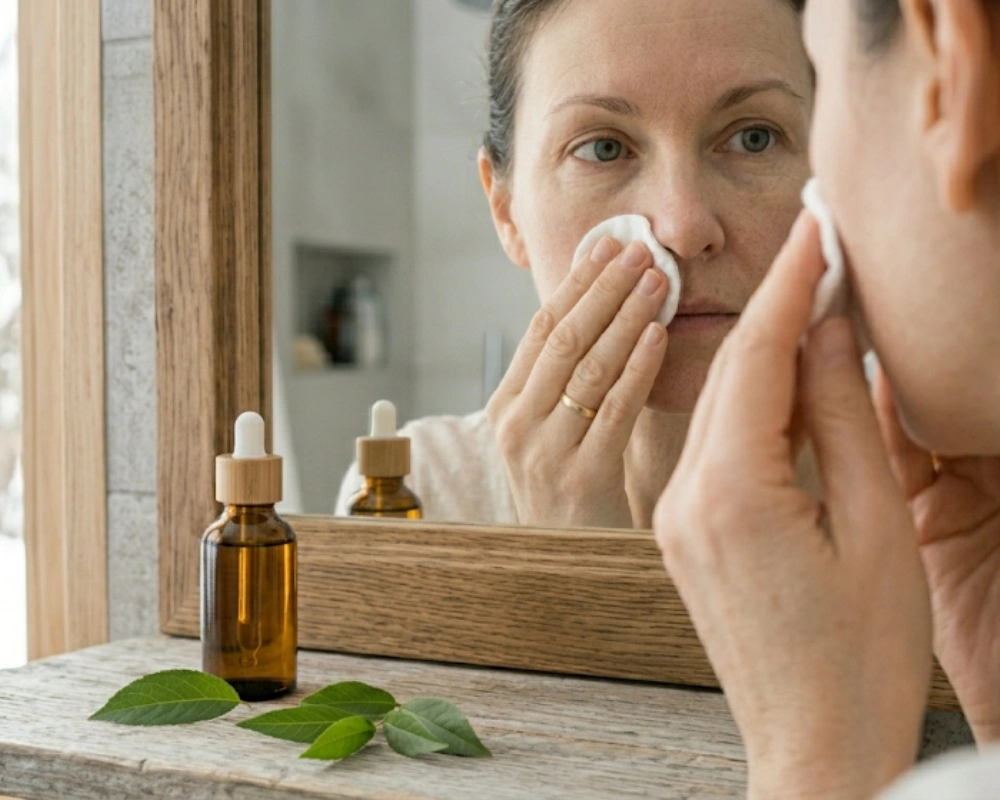
Tea tree oil helps fight acne-causing bacteria and reduce breakouts. It keeps the skin clean, clear, and balanced.

Antibacterial & Infection Protection

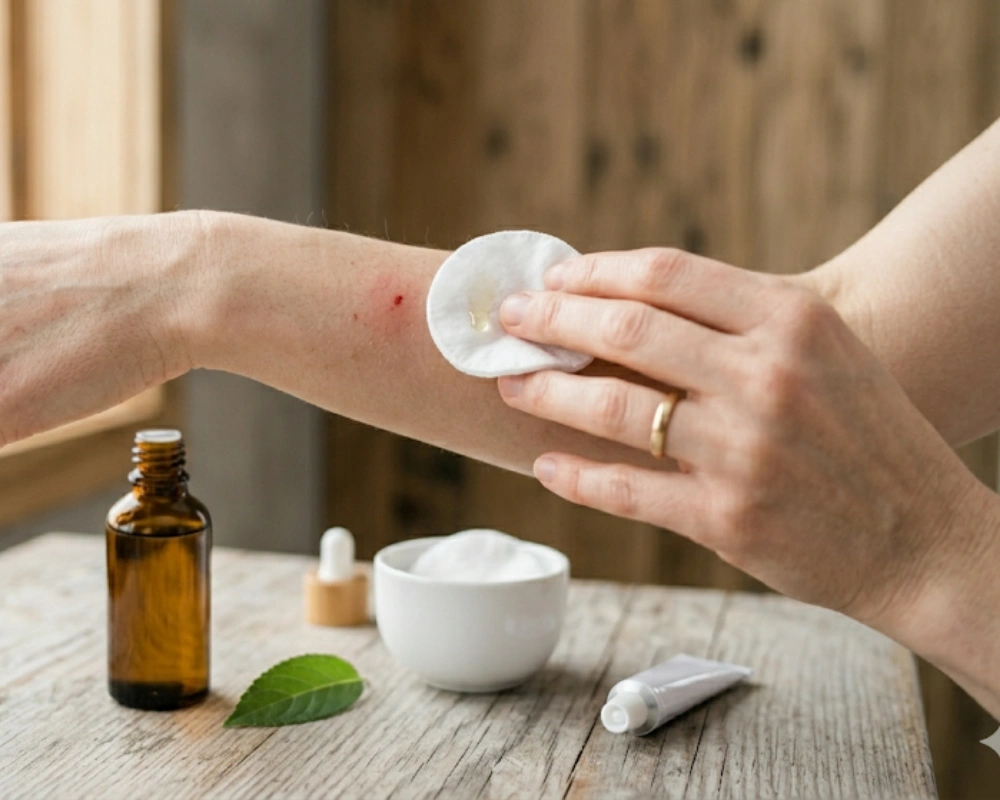
Its powerful antibacterial properties help protect against germs and infections. Commonly used for minor cuts and skin care.

Dandruff Control & Scalp Health

It helps reduce dandruff, itchiness, and scalp irritation. Promotes a clean and healthy scalp environment.

Skin Irritation & Soothing Care

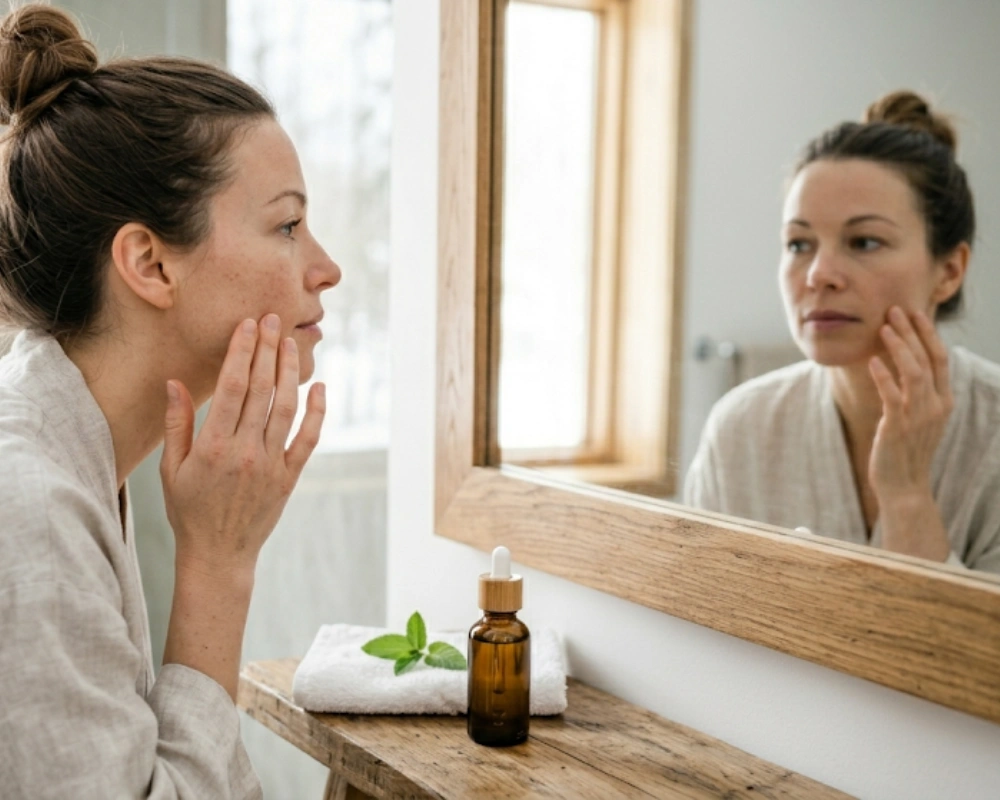
Tea tree oil helps calm redness, itching, and minor skin issues. Suitable for sensitive and problem-prone skin.

Natural Antifungal Protection

It helps fight fungal infections like nail or skin issues. Supports overall hygiene and skin safety.

Oil Control & Pore Cleansing

Tea tree oil helps regulate excess oil and unclog pores. Improves skin texture and prevents future breakouts.

© Moreways Co., Ltd. All Rights Reserved