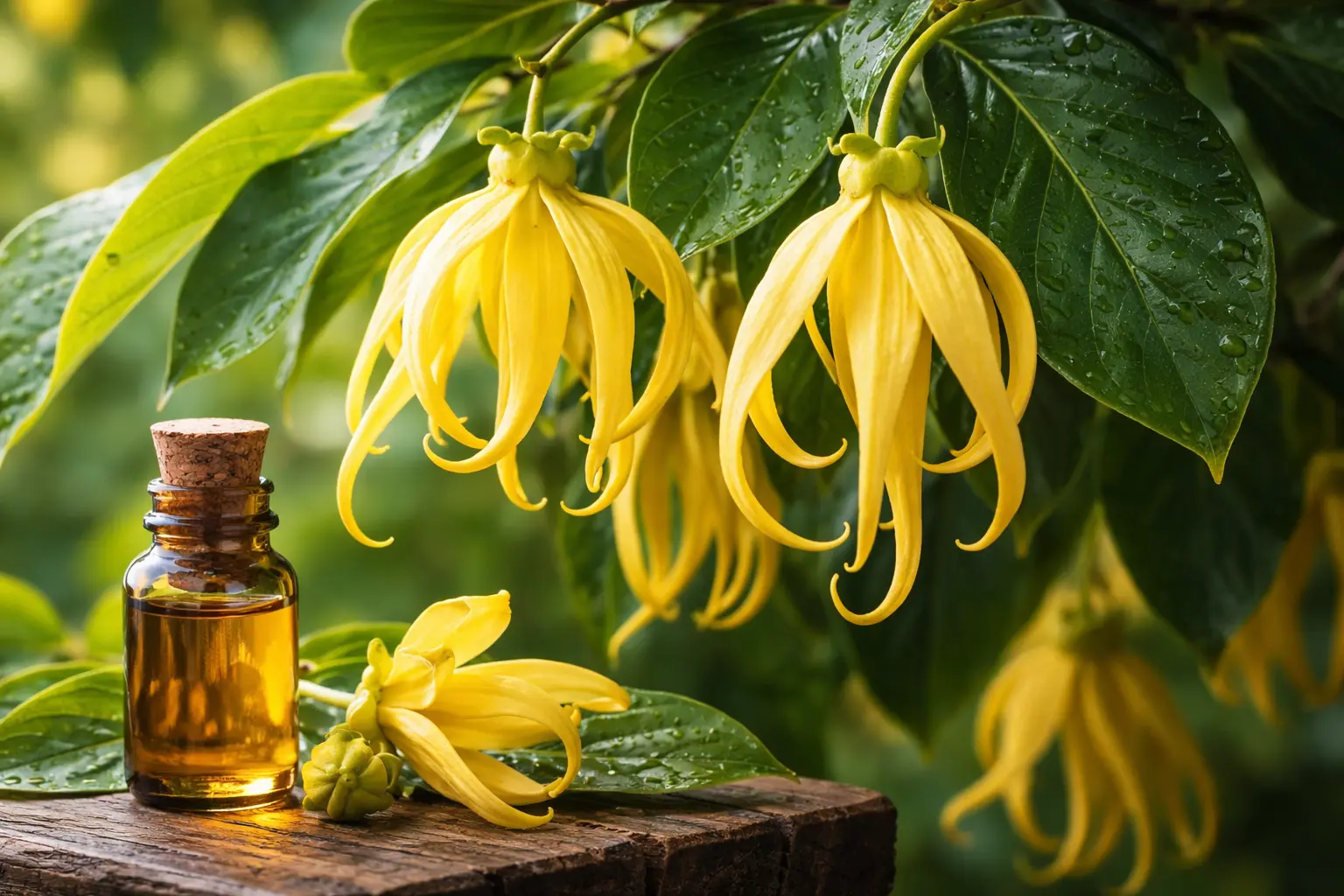
Ylang Ylang Essential Oil

Cananga odorata

Product History

Ylang Ylang essential oil is derived from the fragrant yellow flowers of the tropical tree Cananga odorata, native to Southeast Asia, particularly Indonesia, the Philippines, and parts of Malaysia. Its use dates back centuries, where the flowers were traditionally spread on the beds of newlyweds in Indonesia as a symbol of love, sensuality, and relaxation. The oil gained global recognition during the colonial era when European perfumers discovered its rich, sweet, and exotic aroma, leading to its incorporation into luxury fragrances. By the early 20th century, Ylang Ylang oil became a key ingredient in iconic perfumes, most notably in formulations like Chanel No. 5, enhancing its reputation in the cosmetic and aromatherapy industries. Over time, it has also been valued for its calming and mood-enhancing properties, making it widely used in wellness practices, skincare, and holistic healing traditions across the world.

Distillation Process

  • Harvesting and Chopping Preparation
    Fresh Ylang Ylang flowers (Cananga odorata) are handpicked early in the morning when their fragrance is most intense. The flowers are carefully selected and sometimes lightly chopped or spread to ensure better exposure during distillation.
  • Steam Generation and Distillation
    The prepared flowers are placed in a distillation chamber where steam is passed through them. The heat causes the aromatic compounds to vaporize, and the process is often carried out in fractions (Extra, I, II, III grades) depending on distillation time.
  • Condensation & Oil Separation
    The steam carrying essential oil vapors is cooled in a condenser, turning it back into liquid. The oil naturally separates from the water due to differences in density and is collected from the surface.
  • Filtration & Storage
    The extracted oil is filtered to remove impurities and then stored in dark, airtight glass containers to preserve its aroma, quality, and therapeutic properties.

Specifications

Parameter
Specification
Botanical Name
Cananga odorata
Origin / Source
INDIA
Extraction Method
Steam Distillation (Complete / Extra / Grades I, II, III)
Plant Part Used
Fresh Flowers
Oil Colour
Pale Yellow
Aroma Profile
Intensely Sweet, Exotic, Floral, Fruity-Banana, Creamy
Consistency
Medium
Shelf Life
3 Years
Blends Well With
Bergamot, Cedarwood, Geranium, Jasmine, Lavender, Sandalwood, Vetiver

Safety & Precautions: Use sparingly — strong scent can cause nausea at high concentration. Dilute to 0.5–1%.

Available Pack Sizes: 1kg, 5kg,10kg,25kg Aluminium Bottle
Powerful Uses of Ylang Ylang Essential Oil

Mood Enhancement & Stress Relief

Ylang ylang oil helps reduce stress, anxiety, and emotional tension. Its soothing aroma promotes a calm and uplifting environment.

Skin Care & Oil Balance

It helps regulate excess oil production and improve skin texture. Supports a smooth, balanced, and healthy complexion.

Hair Nourishment & Shine

Ylang ylang oil helps strengthen hair and improve natural shine. It nourishes the scalp and promotes healthier-looking hair.

Hormonal Balance & Relaxation

It helps support emotional balance and hormonal stability. Often used to reduce mood swings and promote relaxation.

Natural Fragrance & Body Care

Its rich floral scent works as a natural perfume. Ideal for personal care and long-lasting freshness.

Romantic Aroma & Sensory Appeal

Ylang ylang oil is widely used for its sensual and calming fragrance. It helps create a relaxing and intimate atmosphere.

© Moreways Co., Ltd. All Rights Reserved